
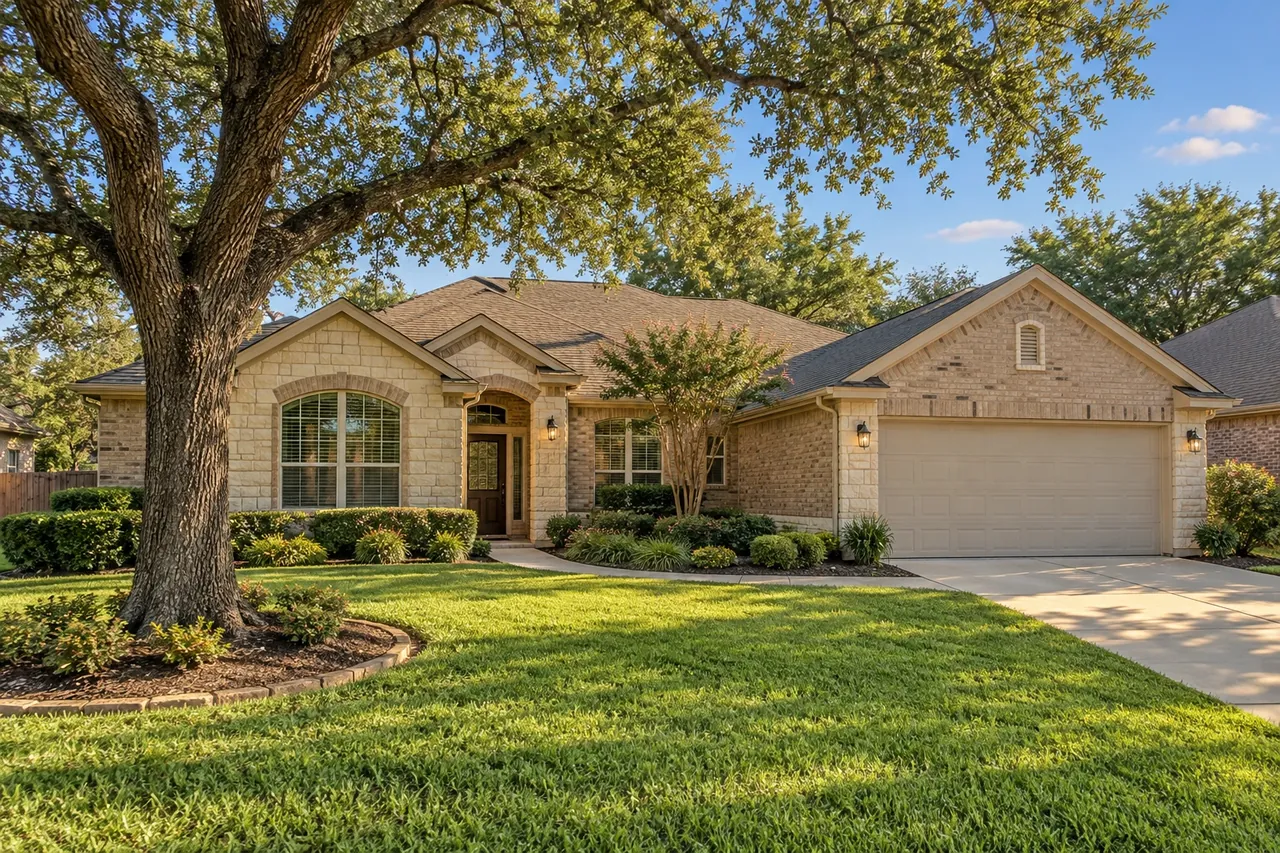
Foundation Repair in Round Rock, TX
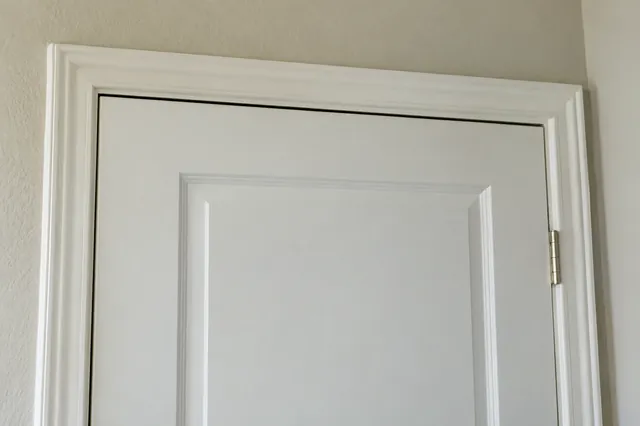
Cracks over doorways, doors that won't latch, floors that roll underfoot: in Round Rock, that's usually clay soil shrinking and swelling under the slab. We repair slab and pier-and-beam foundations, fix the drainage that drives the movement, and handle the city permit and engineer paperwork. Free on-site evaluations.
- Free on-site foundation evaluations
- City permit and engineer paperwork handled
- Slab, pier & beam and drainage repair
- Free on-site evaluations
- City permit & engineer paperwork handled
- Pressed concrete & steel piers
- Cleanup & haul-away
Foundation Repair Services
Everything from a full pier job under a settling slab to a single crawl-space shim, plus the drainage work that keeps a repair holding.
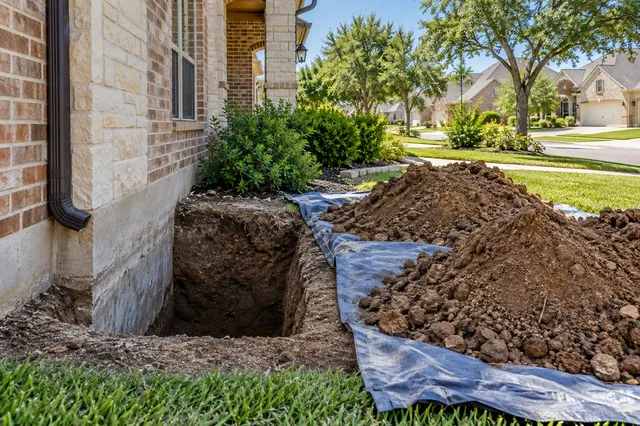
Slab Foundation Repair
Piers under the sections that are dropping, then a careful lift.
Slab repair →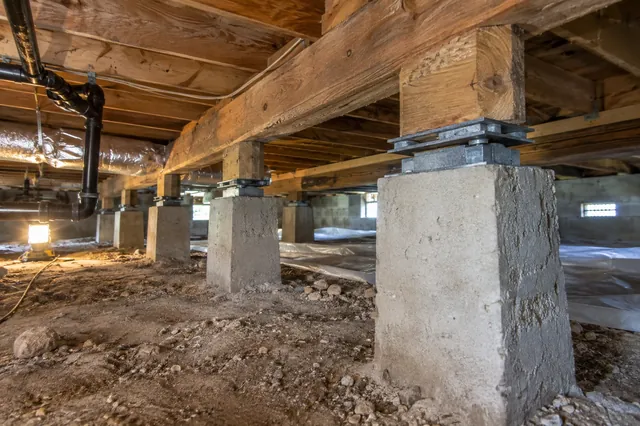
Pier & Beam Repair
Shims, new supports and sill or beam repairs in the crawl space.
Pier & beam repair →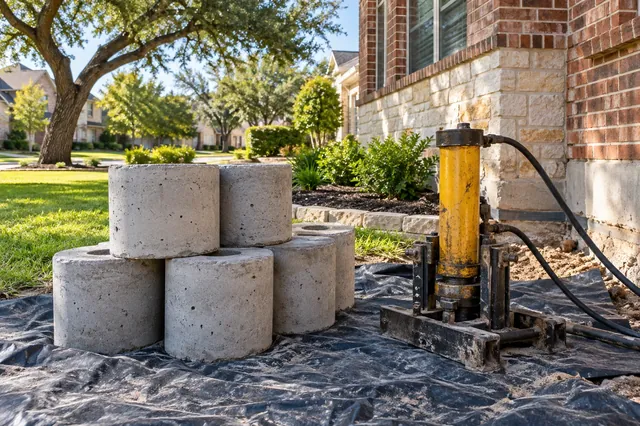
Foundation Piers
Pressed concrete and steel piers sized to your soil and home.
Foundation piers →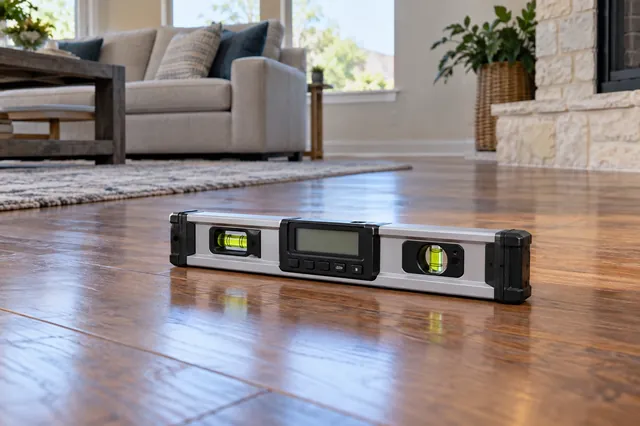
Inspection & Evaluation
Elevation survey, crack mapping and a clear explanation.
Inspections →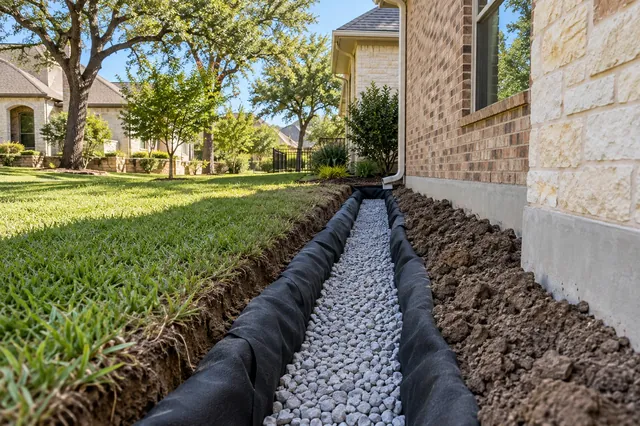
Drainage & French Drains
Move water away from the slab so the soil stops swinging.
Drainage correction →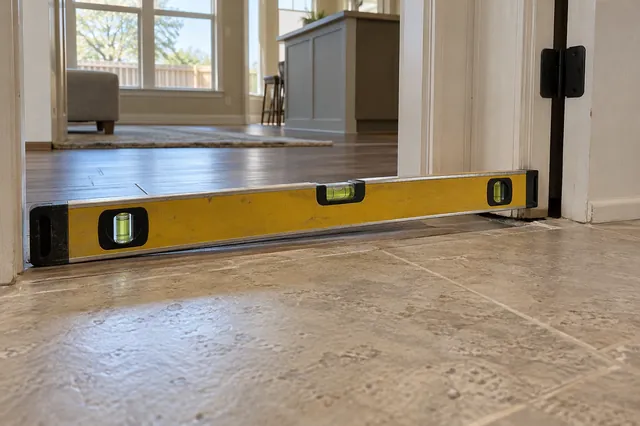
House Leveling
Bring sloping floors back as close to level as the house allows.
House leveling →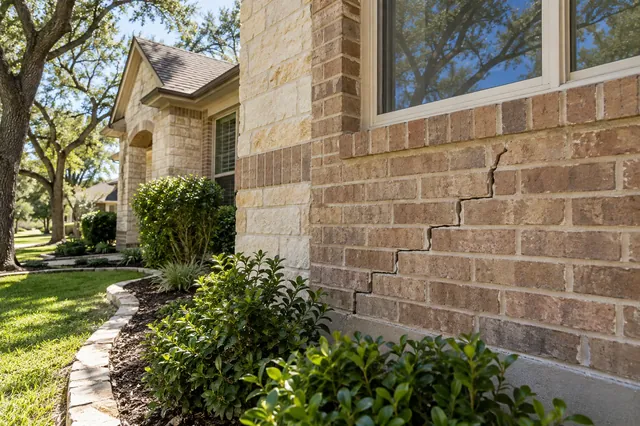
Crack Repair
Seal slab and brick cracks once the movement is under control.
Crack repair →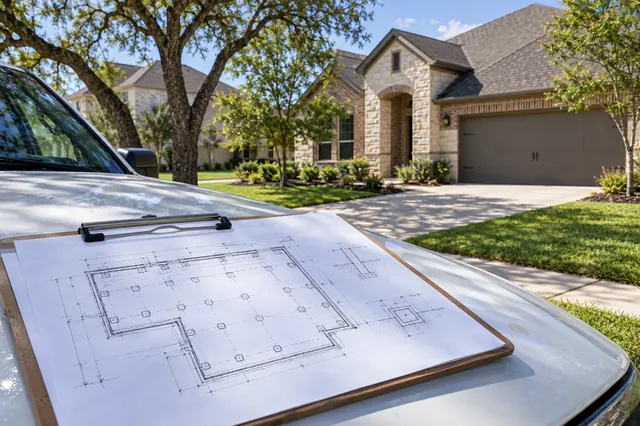
Repair Costs
Typical per-pier prices and what moves the total.
Repair costs →Why Round Rock Homeowners Call Us First
Free On-Site Evaluations
We measure floor elevations, look at every crack and door, and walk the drainage. You get a written quote, not a guess over the phone.
Permit and Engineer Paperwork
Round Rock requires an engineer's sealed plan and final report for foundation repair. We coordinate both and file the city permit.
Repairs Matched to the Soil
Prairie clay east of I-35 and limestone to the west behave differently. Pier type and depth follow what's under your house.
Clean, Careful Crews
We protect landscaping, put the yard back and haul away the spoils, so the only sign we were there is a level floor.
Why Round Rock Foundations Move
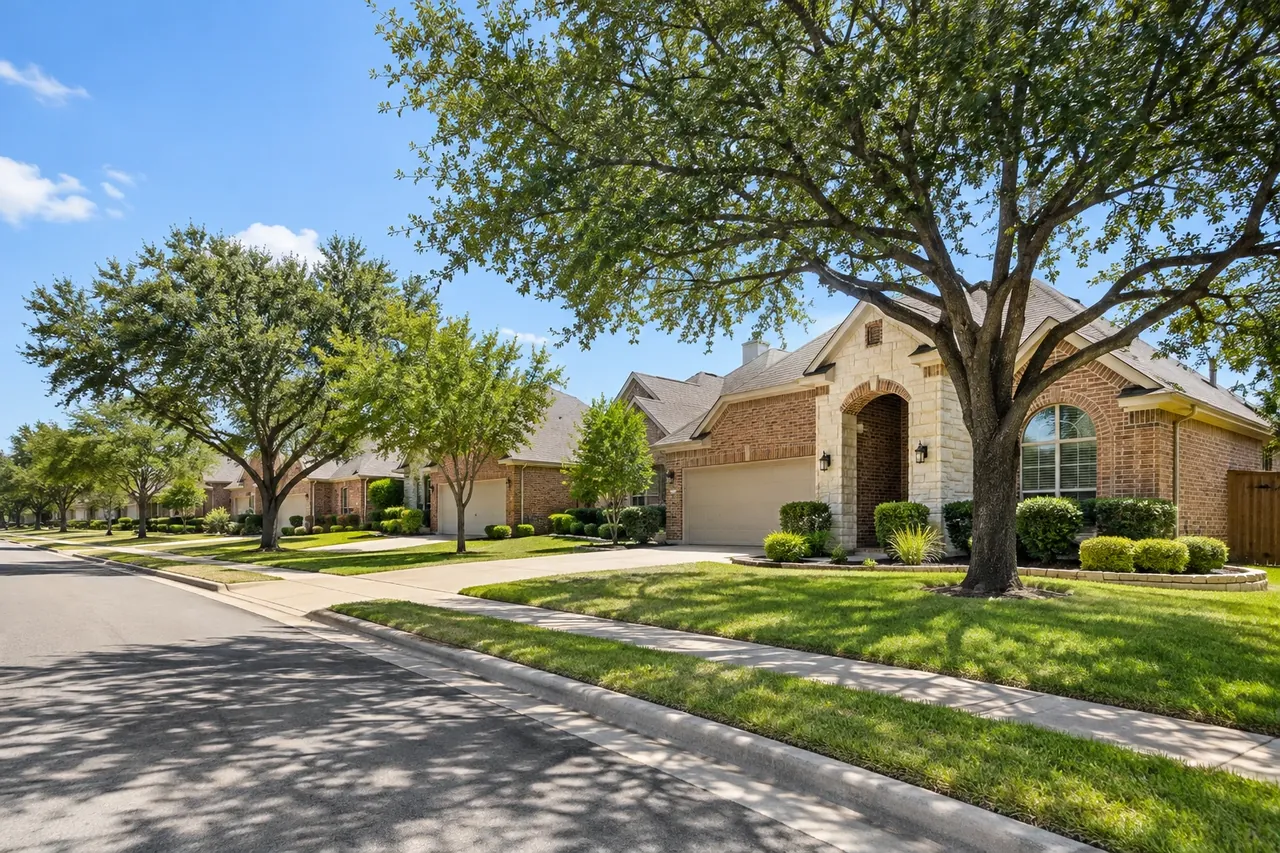
Round Rock sits right on the Balcones Escarpment, and I-35 runs along the old fault line. That geology splits the city in two, and it explains most of what we see under houses here:
- East of I-35 is flat Blackland Prairie. The soil is deep, dark, calcareous clay over chalk and marl, the kind soil scientists describe as shrinking and swelling markedly as its moisture changes. When it dries in August it cracks open; when fall rains return it swells again, and the slab rides along.
- West of I-35 the land climbs into the edge of the Hill Country, with thin soil over limestone. Movement there tends to come from fill, cut-and-fill lots on slopes, and pockets of clay between ledges rather than deep clay everywhere.
- The problem is patchy. A UT Austin geoscientist interviewed by FOX 7 put it plainly: the worst spots are scattered, not citywide. Two houses on the same street can behave differently.
Most homes here are slab-on-grade, with pier-and-beam in older parts of town. Either way, the fix starts with understanding your soil. Read more in our guide to why Round Rock clay moves.
Foundation Repair Methods Compared for Round Rock Homes
The four approaches we use most, and where each one fits in our clay and limestone ground.
Swipe the table sideways to see every option →
| Feature | Pressed concrete piers | Steel push piers | Pier & beam shimming | Drainage correction |
|---|---|---|---|---|
| What it does | Stacked concrete cylinders pressed under the grade beam | Steel pipe driven hydraulically to deeper bearing | Re-supports floor framing on existing piers | Moves roof and surface water away from the slab |
| Published cost range | About $350–$1,000 per pier | About $550–$1,600 per pier | About $1,000–$3,500 for shim leveling | About $500–$5,000 for grading |
| Typical depth | Pressed until the house weight stops it | Driven deeper, sometimes far deeper | Not applicable | Not applicable |
| Best fit | Clay sites with firm layers within reach | Deep clay, fill or heavy two-story homes | Older crawl-space homes, sagging floors | Every repair, and early-stage movement |
| Lifts the house? | Yes, in a controlled lift | Yes, in a controlled lift | Levels the floor framing | No, it slows future movement |
Ranges come from published cost guides and an engineering firm's estimating sheet. Your written quote gives the exact price. See the cost guide and pressed concrete vs. steel piers.
How a Foundation Repair Works With Us
From first call to final engineering letter, here's the path most Round Rock repairs follow.
Call or send the form
Call (737) 259-6724 or send the 30-second form. Tell us what you're noticing: cracks, sticking doors, sloping floors, gaps at trim.
Free on-site evaluation
We take a floor elevation survey, photograph the distress, check gutters and grading, and explain what we think is moving and why. You get a written quote.
Engineer, permit, repair
The engineer of record prepares the sealed repair plan, we pull the city permit, install the repair, pass inspection and hand you the engineer's final report.
What Happens at Your Free Evaluation
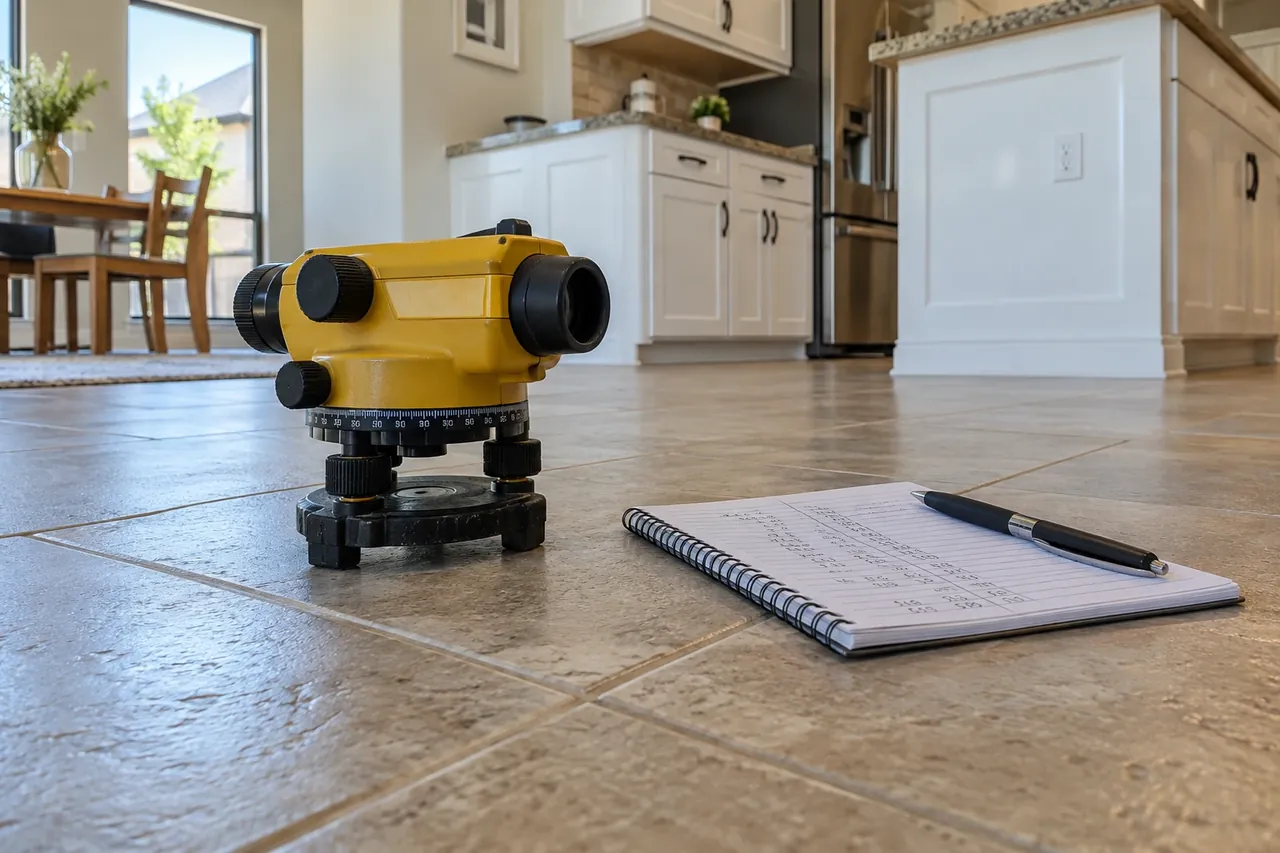
A foundation evaluation should be measured, not eyeballed. In about an hour we cover:
- Floor elevations. Readings room by room, mapped to show whether the slab is settling at an edge, heaving in the middle or tilting.
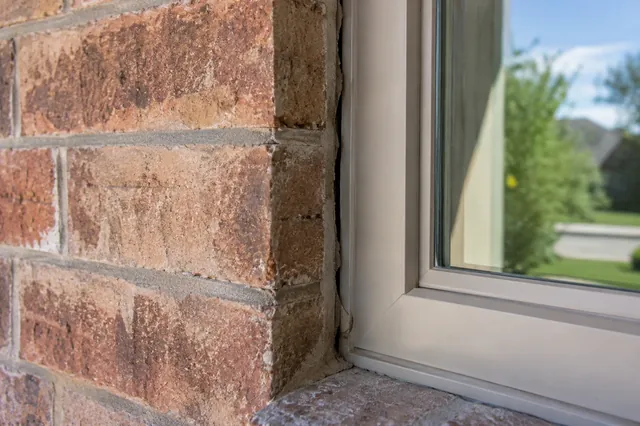
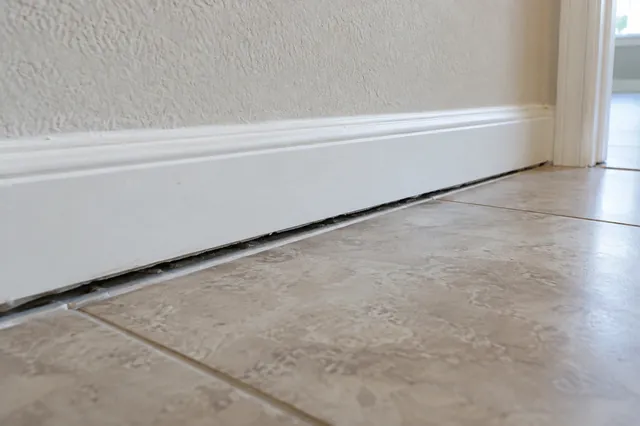
- Distress mapping. Drywall and brick cracks, separated trim and doors that rub, compared with the elevation map.
- Water and drainage. Gutters, downspouts, grading, beds and sprinklers. Many yards slope toward the slab instead of away.
- Trees and plumbing clues. Big live oaks near the slab and signs of a leak both change the plan.
- A written quote that lists pier count and locations, the engineer's role, the city permit, any drainage work and cleanup.
Sometimes the honest answer is that the movement is minor and better drainage is the right first step. We'll say so.
How Much Does Foundation Repair Cost in Round Rock?
Typical published ranges for the repairs we do most. The total depends on how many piers your home needs and what else the engineer calls for.
Published ranges from national cost guides and a Texas engineering firm. Your free on-site evaluation gives you a written price for your home. See the foundation repair cost guide.
What Moves Your Repair Price Up or Down
Foundation repair is priced by the work the engineer's plan calls for. These are the things that change it:
- Pier count. A corner that dropped might need six or eight piers. A slab that's moving along a whole side can need several times that. One Texas engineering firm estimates whole-house pier counts at roughly one pier per 40 square feet of footprint, which is why full-perimeter jobs cost so much more than partial ones.
- Pier type. Steel piers cost more per pier than pressed concrete because they go deeper. Helical and drilled piers cost more again.
- Interior piers. If the engineer wants support under the middle of the slab, we either tunnel under the house or break through the floor. Both add cost, and breaking out flooring adds repair costs inside.
- Plumbing testing. The Texas ASCE repair guidelines call for testing plumbing for leaks when a house is lifted.
- Engineering and permit. Round Rock's foundation repair permit is $125, and the engineer's plan and final report are separate line items on your quote.
Drywall patching after a lift is usually separate. See the full foundation repair cost guide.
Drought, Then Rain: The Round Rock Cycle
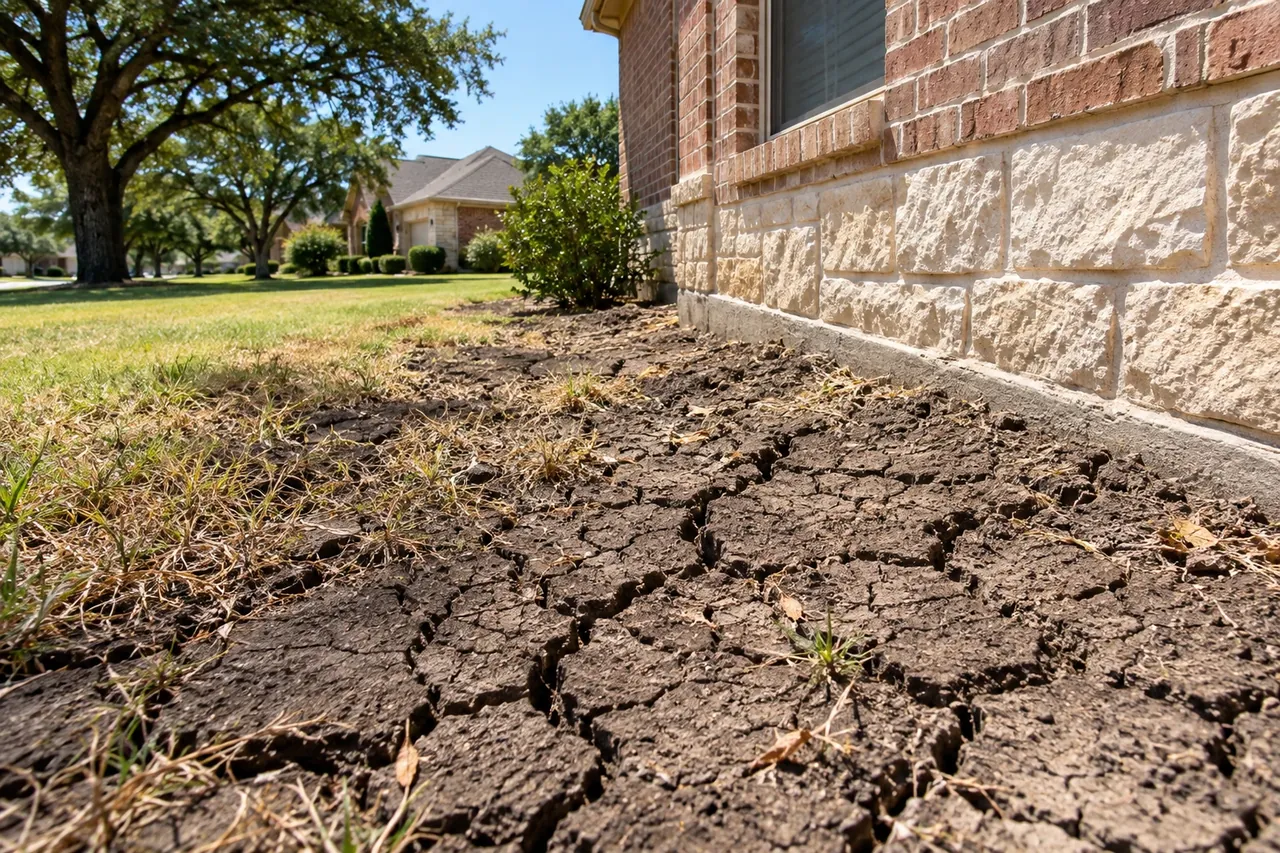
Round Rock averages about 36.5 inches of rain a year, but it rarely arrives evenly. Long, hot summers dry the clay and pull it away from the grade beam; a wet fall or spring swells it back up. Each swing flexes the slab a little.
- Water the foundation in drought. A soaker hose a foot or two out from the slab keeps the soil from shrinking away. During Stage 1 restrictions in 2022, Round Rock allowed foundation watering on your assigned watering days, so check the current stage before you set a schedule.
- Don't drown it either. Ponding water and sprinklers spraying the slab can swell the edge and cause the opposite problem.
- Fix the gutters first. Downspouts dumping at the corner of the house are one of the most common causes of a dropped corner we see.
When the movement has gone past what watering and drainage can control, it's time for piers. Our drainage correction work often goes hand in hand with them.
We Handle the Permit and the Engineering
Round Rock's foundation repair permit
The City of Round Rock treats foundation repair as permitted work. To get the permit, the city requires an Assumption of Engineer of Record letter and an engineered foundation plan, both sealed and signed by the engineer. A final engineered report has to be uploaded before the city will do the final inspection. The fee is $125, review usually takes three to five business days, and the permit expires if work doesn't start within six months. We coordinate all of it through the city's online permit portal.
Why the engineer matters to you
The sealed plan and final report do more than satisfy the city. They document what was done, where the piers went and how the house was left, which is exactly what a future buyer's inspector will ask for when you sell. Texas has no state license for foundation repair contractors, so that independent engineering record is your best proof the work was done right.
Outside city limits
Round Rock's building permits cover addresses inside the city and in the Chandler Creek and Vista Oaks MUDs. Much of Brushy Creek and several other MUD neighborhoods sit in the city's extraterritorial jurisdiction instead, and nearby cities like Georgetown run their own permit programs. We check your address and follow whatever rules apply. Details are in our Round Rock permit and engineering guide.
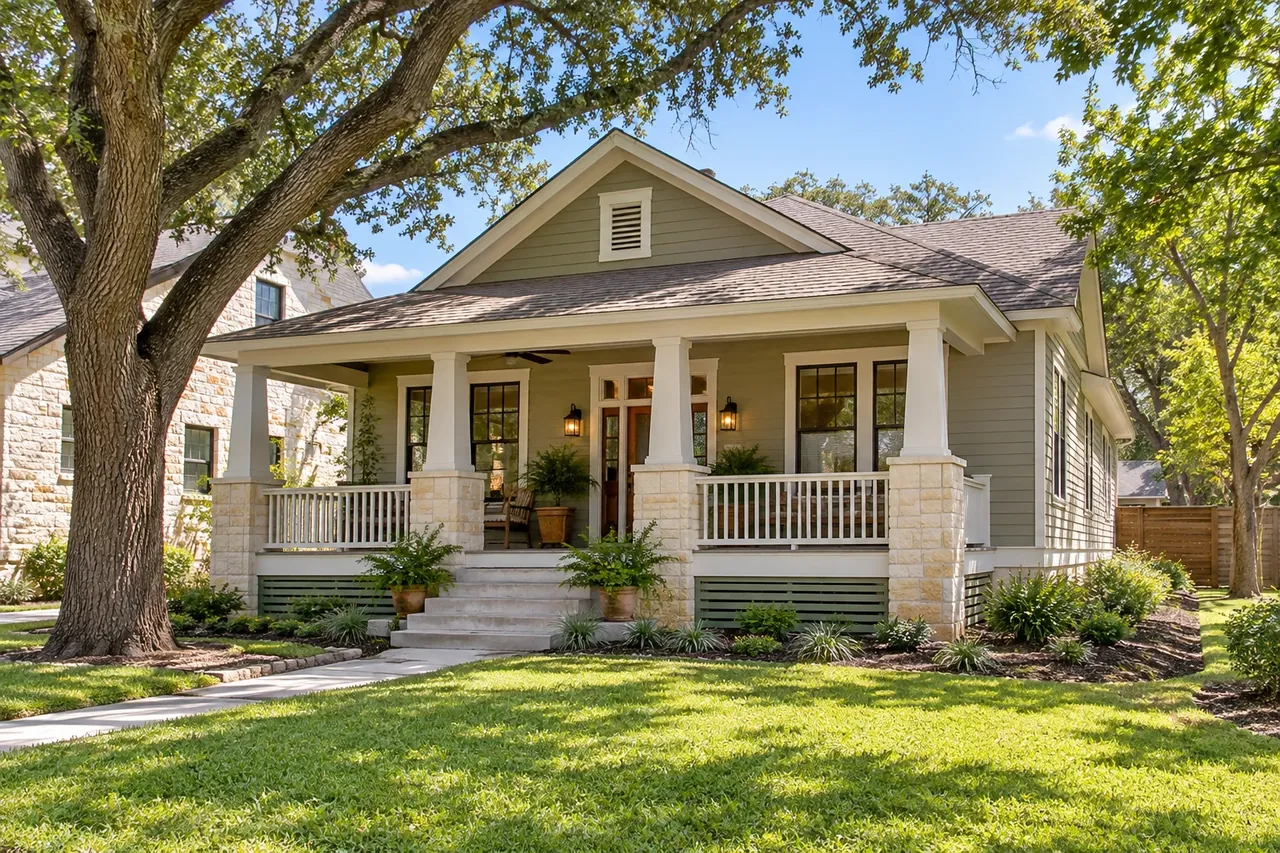
Older Homes on Pier and Beam
Before slabs took over, Round Rock houses were built up off the ground on piers with wood beams and joists. Many of those homes are still standing around Old Town, and they move in their own way:
- Floors sag between supports as old piers settle or wood shims crush and rot.
- Crawl-space moisture softens sills and joists.
- Piers tip or sink in clay that swells and shrinks with the seasons.
The upside is access: many fixes happen from the crawl space with steel shims, new supports and sister joists. See pier and beam repair and house leveling.
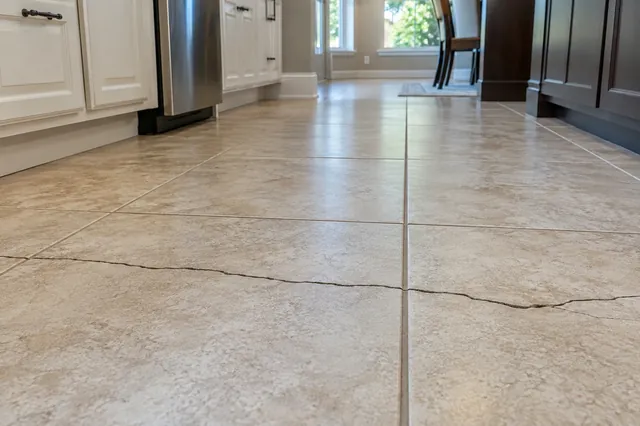
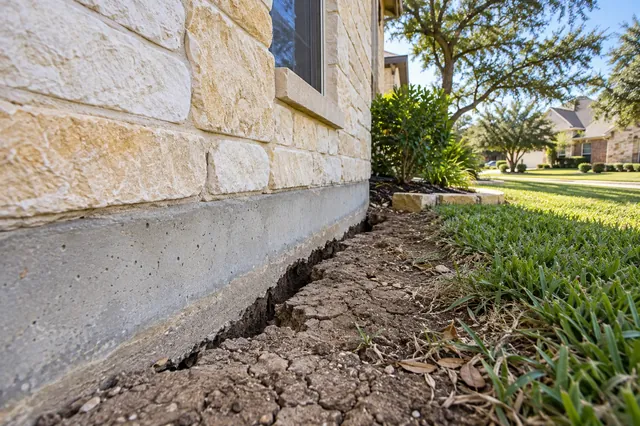
Foundation Warning Signs We See Around Round Rock
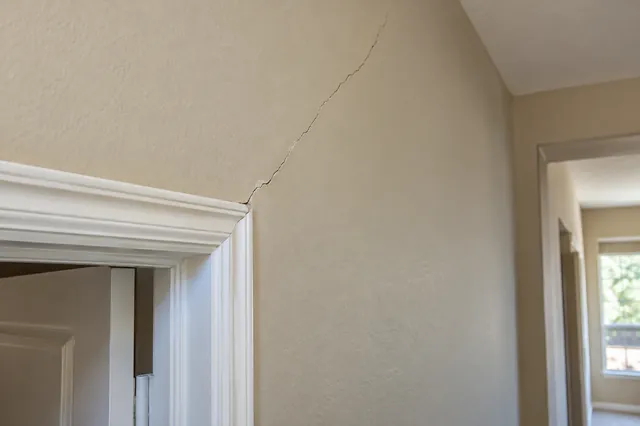
Any one of these can be seasonal. Several together, or ones that keep growing, are worth a free evaluation.
Foundation Repair Across Round Rock, Neighborhood by Neighborhood
What we find under a house depends a lot on where it sits:
- Forest Creek: around 1,200 brick and stone homes from the mid-1990s on, east of I-35.
- Teravista: more than 3,400 homes from the early 2000s on the Round Rock–Georgetown line, on prairie clay.
- Paloma Lake and Behrens Ranch: newer neighborhoods where drainage and lot grading matter as much as soil.
- Old Town: the city's oldest homes, many on pier and beam, right along the I-35 fault edge.
- Brushy Creek and Mayfield Ranch: west-side neighborhoods where limestone, fill and slopes shape the repair.
We also work in Georgetown, Hutto, Pflugerville, Cedar Park, Leander and Taylor.
Frequently Asked Questions
How much does foundation repair cost in Round Rock?
It depends mostly on how many piers your home needs. Published ranges run about $350–$1,000 per pressed concrete pier and $550–$1,600 per steel pier, and a national average from Angi data is around $5,179, with severe jobs passing $20,000. We give you a written price after a free on-site evaluation. See our cost guide.
Do I need a permit for foundation repair in Round Rock?
Yes. The City of Round Rock issues a Residential Foundation Repair permit that requires an engineer of record letter, a sealed engineered foundation plan and a final engineered report before final inspection. We coordinate the engineering and file the permit. See the permit guide.
Why does my Round Rock house have foundation problems?
Usually clay. East of I-35 the city sits on Blackland Prairie clay that swells when wet and shrinks when dry, so slabs move with the seasons. Poor drainage, thirsty trees and plumbing leaks make it worse. Read why Round Rock clay moves.
Are cracks in my walls a sign of foundation trouble?
Not always. Small hairline cracks can be normal shrinkage or seasonal movement. Diagonal cracks off door and window corners, doors that stop latching, and cracks that keep growing are worth having checked.
Should I choose pressed concrete or steel piers?
Both work in Round Rock. Pressed concrete piers cost less and suit many clay sites; steel piers go deeper and fit deep clay, fill or heavier homes. The engineer's plan decides. See pressed concrete vs. steel piers.
Will my house be perfectly level after the repair?
Probably not, and you should be wary of anyone who promises that. The Texas ASCE repair guidelines say perfection isn't attainable and that underpinning is unlikely to produce a perfectly level foundation. The goal is to stabilize the house and lift it as far as it safely allows.
Does homeowners insurance cover foundation repair?
Usually not for soil movement. Some policies cover damage from a sudden covered event, such as certain leaks, so check yours.
Should I water my foundation?
In a dry summer, yes, carefully. A soaker hose a foot or two from the slab keeps clay from shrinking away. Avoid flooding the edge, and follow Round Rock's current drought stage, which may limit soaker hoses and foundation watering to your assigned days.
How long does foundation repair take?
Most slab pier jobs take a few days on site once the engineer's plan is done and the city permit is issued, which usually takes three to five business days.
Do you repair pier and beam homes?
Yes. We reshim and add supports, replace failed piers and repair sills and joists in the crawl space. See pier and beam repair.
Is the evaluation really free?
Yes. The on-site evaluation and written quote cost nothing, with no obligation.
Which areas do you serve?
All of Round Rock, including Forest Creek, Teravista, Behrens Ranch, Paloma Lake and Old Town, plus Brushy Creek, Georgetown, Hutto, Pflugerville, Cedar Park, Leander and Taylor. See all service areas.
Serving Round Rock & Williamson County
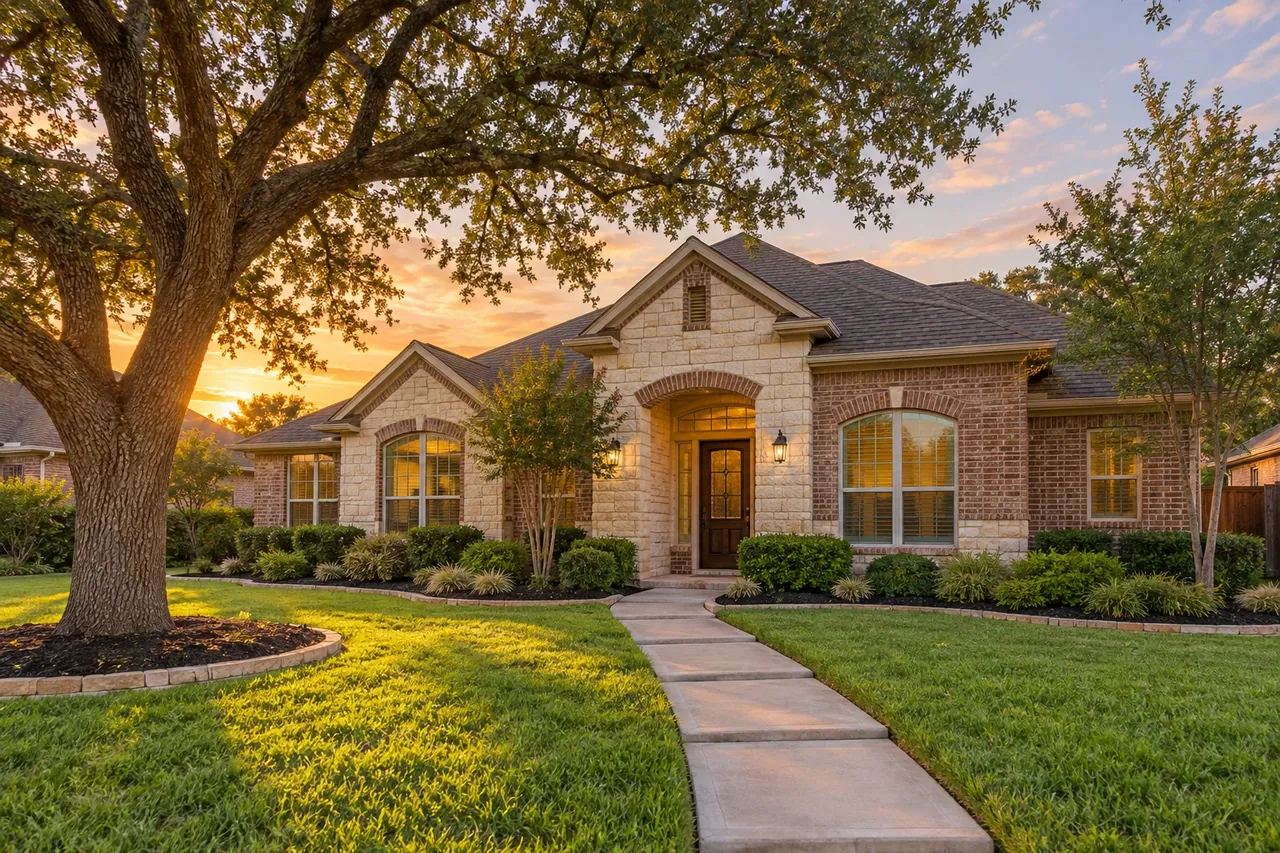
Ready for Your Free Foundation Evaluation?
Call now or request your free on-site foundation evaluation. No cost, no obligation.
- Free on-site evaluations
- City permit & engineer paperwork handled
- Pressed concrete & steel piers
- Cleanup & haul-away