
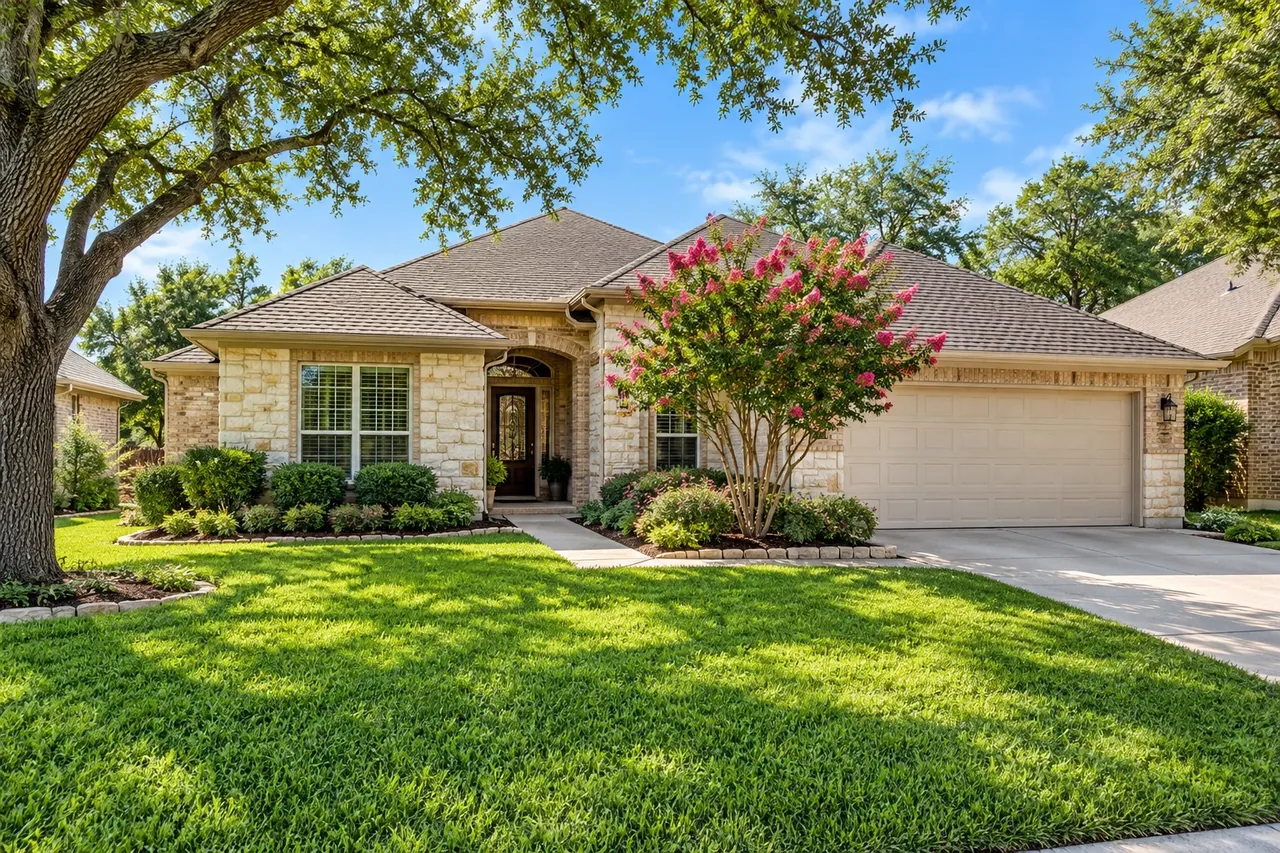
Foundation Crack Repair in Round Rock, TX
Some foundation cracks are cosmetic. Others are the first sign the house is moving. We tell you which is which, then seal slab, grade beam and brick cracks properly, after any movement behind them is under control.
- Free on-site foundation evaluations
- City permit and engineer paperwork handled
- Slab, pier & beam and drainage repair
- Free on-site evaluations
- City permit & engineer paperwork handled
- Pressed concrete & steel piers
- Cleanup & haul-away
Reading a Foundation Crack
Concrete cracks. Almost every slab in Round Rock has a few hairline cracks from curing shrinkage, and they're usually harmless. The ones worth attention tell a story about movement:
- Width. Hairline cracks are common. Cracks you can fit a coin edge into deserve a closer look.
- Shape. Cracks wider at one end, or stair-step cracks in brick, suggest one part of the house is moving relative to another.
- Offset. If one side of a slab crack sits higher than the other, the slab has moved vertically.
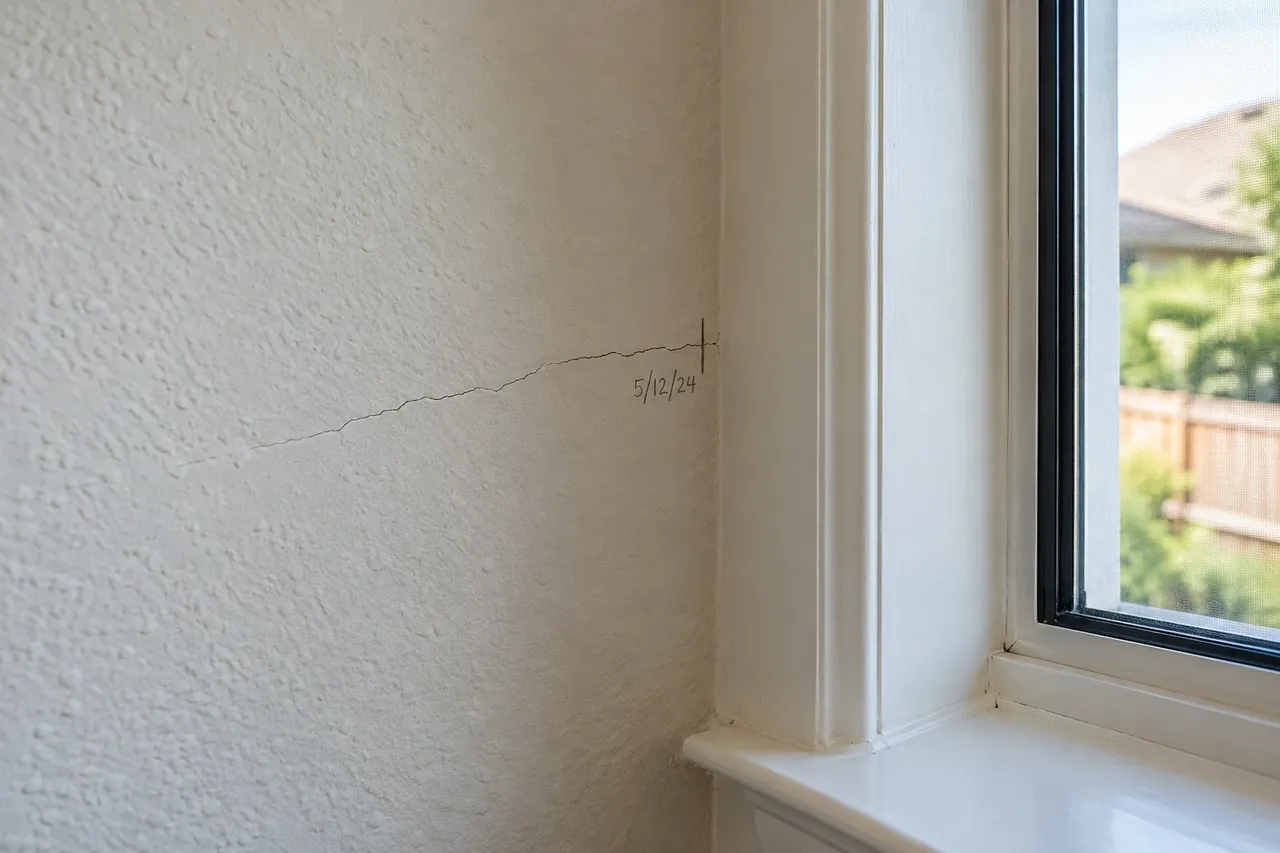
- Growth. Mark the ends with a pencil and date them. A crack that grows over months is active.
- Company. Cracks plus sticking doors and sloping floors point to a foundation problem, not just a cosmetic one.
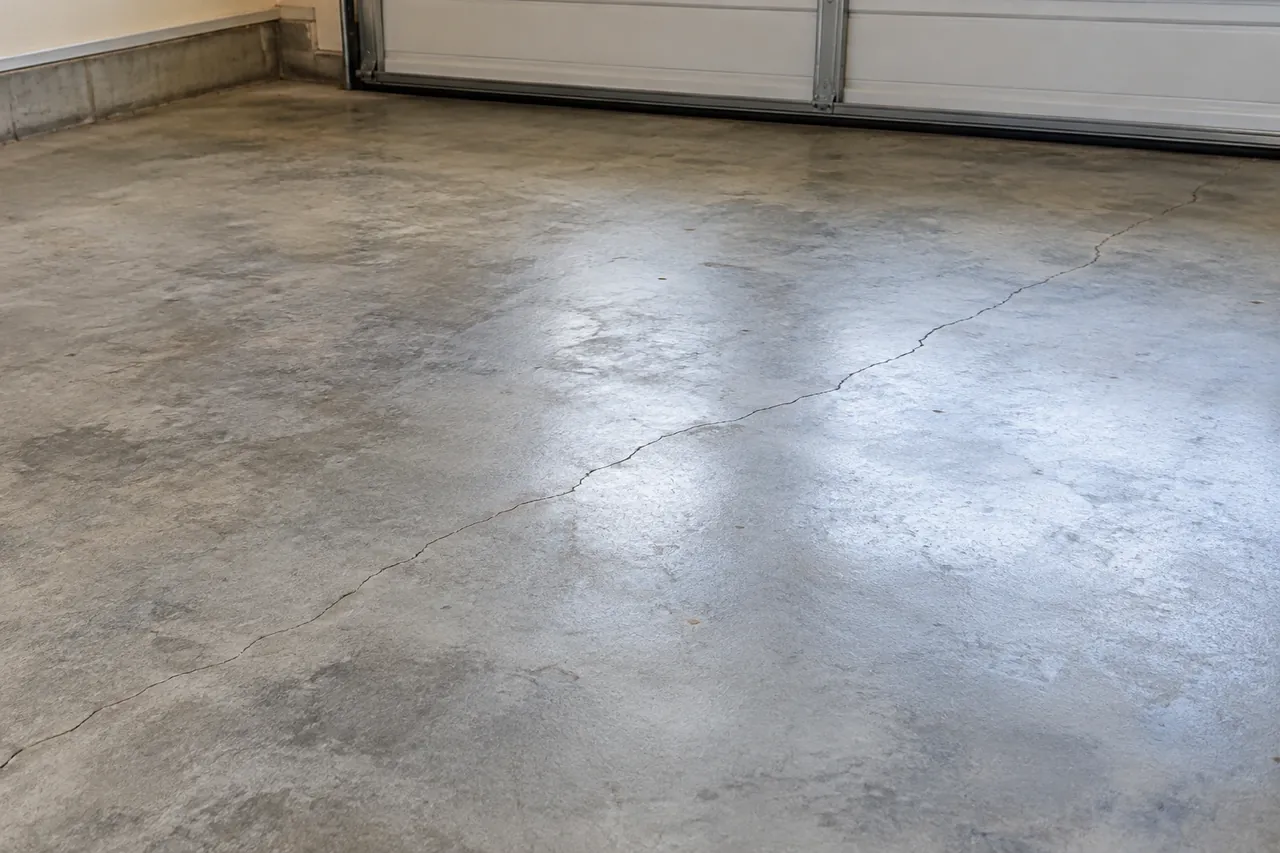
Cracks We Repair
Sealing the crack is the last step. Stopping what caused it comes first.
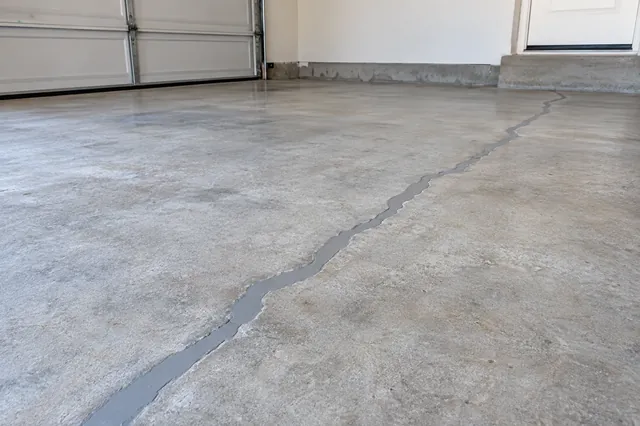
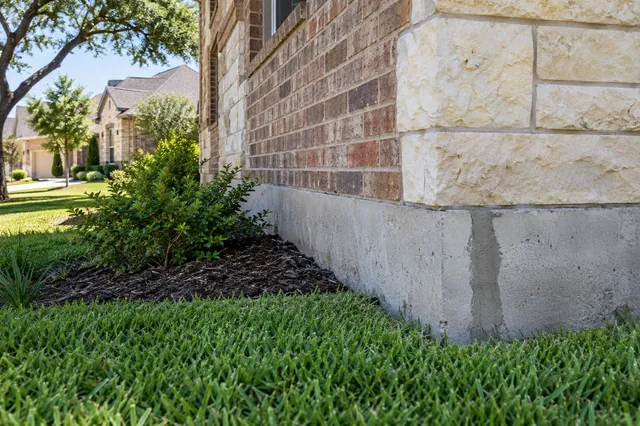
How Much Does Foundation Crack Repair Cost in Round Rock?
Sealing a crack is inexpensive. The bigger question is whether the movement behind it needs repair.
Published ranges from national cost guides and a Texas engineering firm. Your free on-site evaluation gives you a written price for your home. See the foundation repair cost guide.
Choosing the Right Crack Repair
Seal, monitor or repair?
If the crack is a hairline shrinkage crack with no offset and nothing else going on, sealing it is enough, or even optional. If it's growing or paired with other signs, we monitor it with readings or recommend repair of the movement first. Sealing an active crack just means it reopens next to the patch.
Why sealing still matters
Open cracks in a grade beam let water reach the steel inside the concrete, and open slab cracks under flooring can telegraph through tile. Sealing them after the house is stable protects the foundation and the finishes.
Brick needs patience
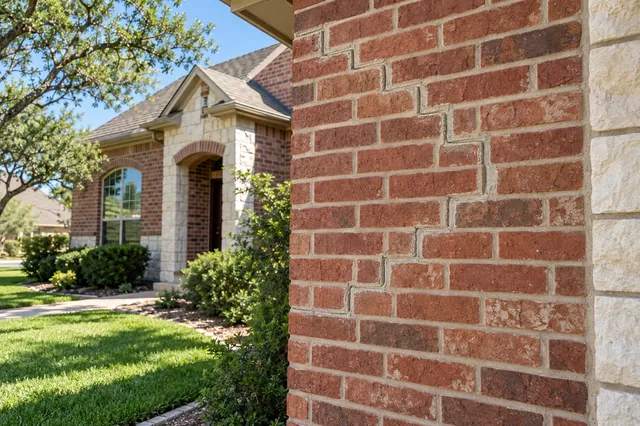
Brick veneer often shows movement first, as stair-step cracks in the mortar. After a lift, some of those cracks close. We repoint what's left once the house has settled onto its new supports, so the new mortar doesn't crack again.
Inside the house
Drywall and tile cracks are best repaired a few weeks after any leveling. We'll tell you which interior cracks are worth fixing now and which to wait on.
How We Handle Cracks
Diagnosis first, then the repair that fits.
Look at the whole house
We check elevations, doors and drainage, not just the crack.
Decide if it's active
Width, offset, growth and pattern tell us whether the crack is moving.
Fix movement first
If needed, piers, leveling or drainage come before sealing.
Clean and seal
Cracks are cleaned out and filled with a product suited to the surface.
Repoint and finish
Brick is repointed and the area cleaned up.
Cracks and Round Rock Soil
Round Rock's clay is why cracks here tend to come and go with the weather. In late summer, as soil dries and shrinks under the slab edge, cracks over doors and in brick open up. After fall rains swell the clay, some of them close again. That seasonal breathing is normal in small amounts. When cracks open a little wider every year, the foundation is moving more than it should.
Homes east of I-35 on Blackland Prairie clay see this most. West-side homes on thinner soil over limestone can crack too, usually where fill was placed during construction. Learn more in our guide to why Round Rock clay moves.
Track Your Cracks
The simplest monitoring tool costs nothing: a pencil. Mark both ends of a crack, write the date, and check it every month or so. Take a photo with a coin or ruler beside it. If a crack keeps growing past its marks, call us for a free evaluation and bring your photos. They tell us a lot about how fast and which way the house is moving.
Frequently Asked Questions
Are foundation cracks normal?
Hairline shrinkage cracks in concrete are very common and usually harmless. Wide cracks, offset cracks and cracks that keep growing are not.
How much does it cost to fix a foundation crack?
Published ranges run about $250–$800 per crack for sealing. If the crack is a symptom of active movement, the repair of that movement costs more.
What do stair-step cracks in brick mean?
They usually mean one part of the house has moved relative to another. They're worth a free evaluation, especially with sticking doors or sloping floors.
Can I just fill the crack myself?
For a hairline crack, sealing it yourself is fine. For an active crack, patching hides a symptom and the crack reopens.
Why do my cracks open in summer and close in winter?
Clay soil shrinks as it dries and swells when it's wet, so the house flexes with the seasons. Growing seasonal cracks mean too much movement.
Should I fix cracks before or after foundation repair?
After. Seal and patch once the house is stable and has settled onto its new supports.
Do I need a permit to seal a crack?
Sealing a crack alone isn't typically a permitted foundation repair. Structural repairs are, and we handle that permit.
Foundation Crack Repair Across Round Rock
Get Your Free Crack Evaluation
Call now or request your free on-site foundation evaluation. No cost, no obligation.
- Free on-site evaluations
- City permit & engineer paperwork handled
- Pressed concrete & steel piers
- Cleanup & haul-away