
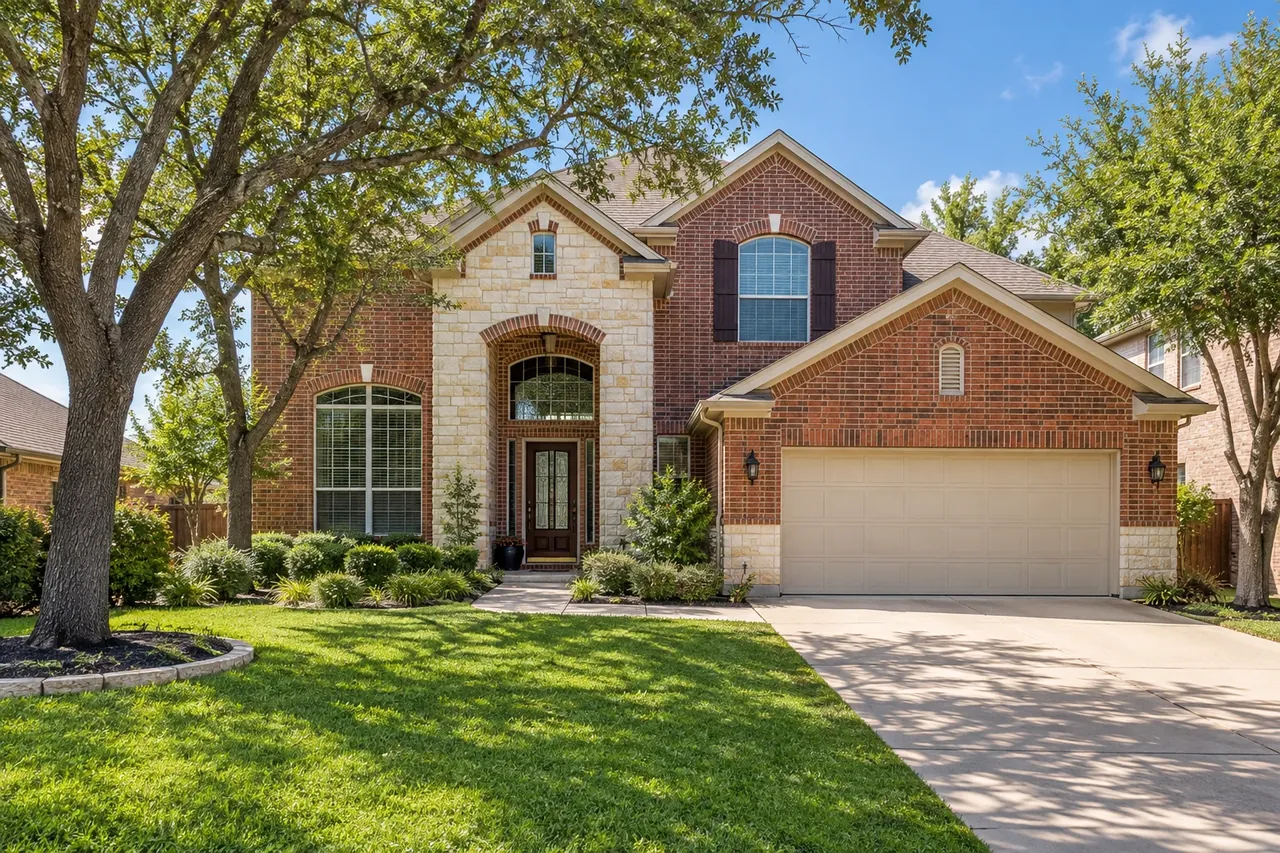
Slab Foundation Repair in Round Rock, TX
Most Round Rock homes sit on a concrete slab, and most slab trouble here traces back to clay that swells and shrinks underneath it. We stabilize the sections that are moving with pressed concrete or steel piers, lift the house as far as it safely allows, and handle the engineer's plan and the city permit.
- Free on-site foundation evaluations
- City permit and engineer paperwork handled
- Slab, pier & beam and drainage repair
- Free on-site evaluations
- City permit & engineer paperwork handled
- Pressed concrete & steel piers
- Cleanup & haul-away
How a Slab Fails in Round Rock Clay
A slab-on-grade foundation is designed to float on the soil as one stiff plate. That works until the soil under one part of it changes and the rest doesn't. In Round Rock that usually happens one of three ways:
- Edge drop in drought. The clay under the perimeter dries and shrinks during a long summer, and a corner or side settles while the middle stays put.
- Center heave in wet years. Water collects under the slab from poor drainage or a leak, the clay swells, and the middle of the house rises.
- Cut-and-fill lots. On the west side, where lots were leveled on slopes over limestone, the half of the house sitting on fill can settle more than the half on rock.
Each pattern needs a different fix, which is why we start with a floor elevation survey and not a pier count. If your home has a post-tensioned slab, with steel cables cast into the concrete, the engineer plans pier locations around those cables.
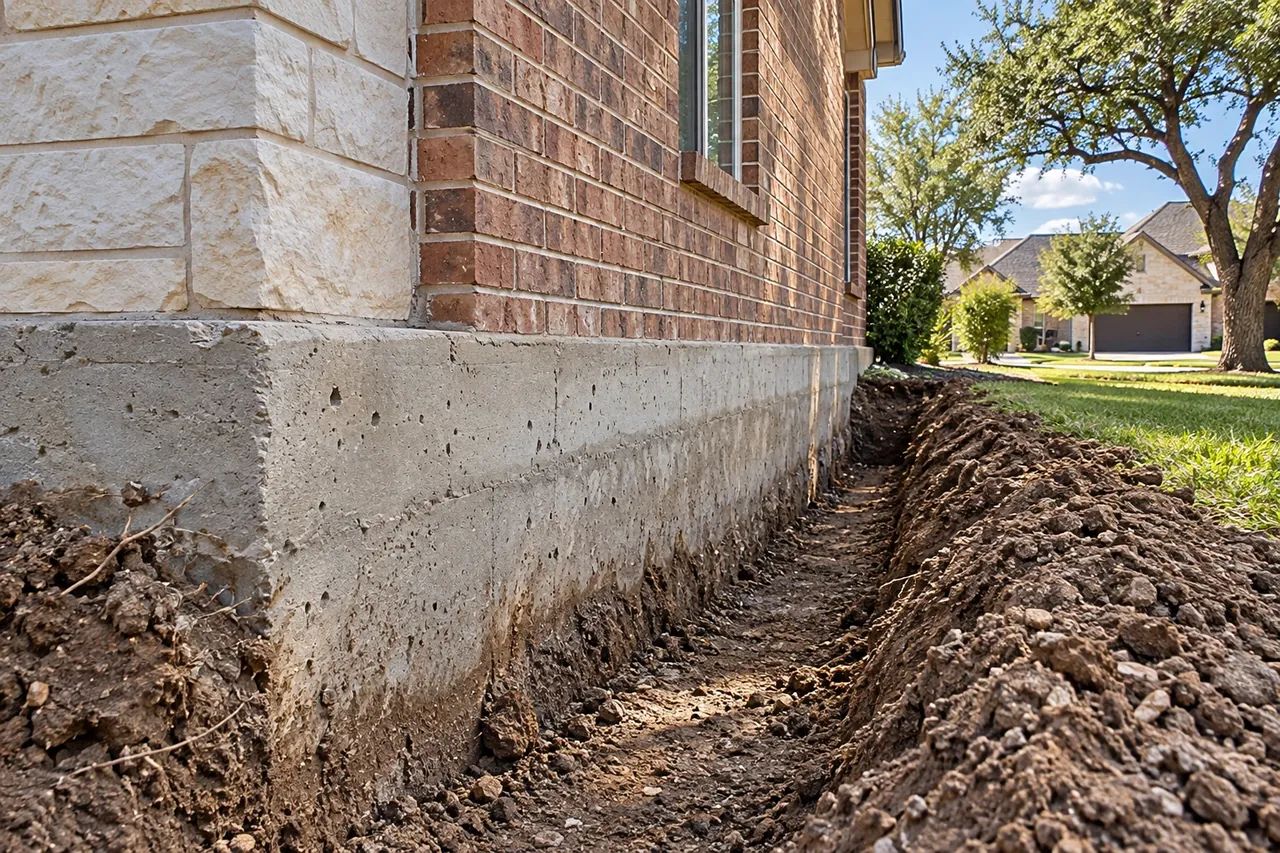
Slab Repair Options
The engineer's plan picks the method. These are the ones we install most often under Round Rock slabs.
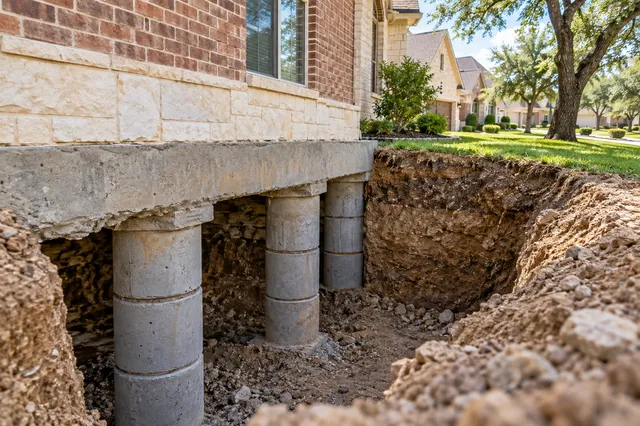
Pressed Concrete Piers
Precast cylinders pressed under the grade beam until the house's weight stops them, then shimmed for a lift.
Concrete piers →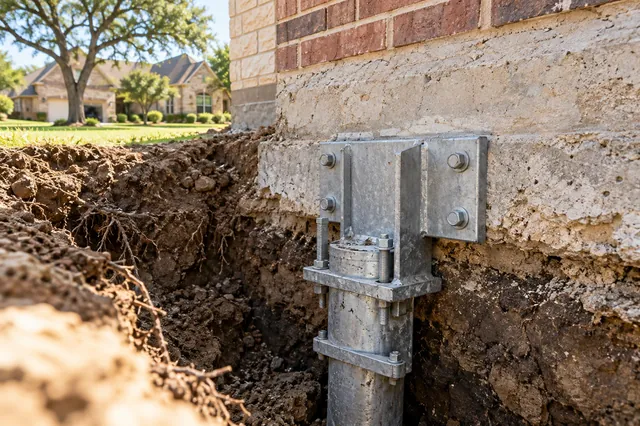
Steel Push Piers
Steel pipe driven hydraulically to deeper bearing where clay or fill runs deep.
Steel piers →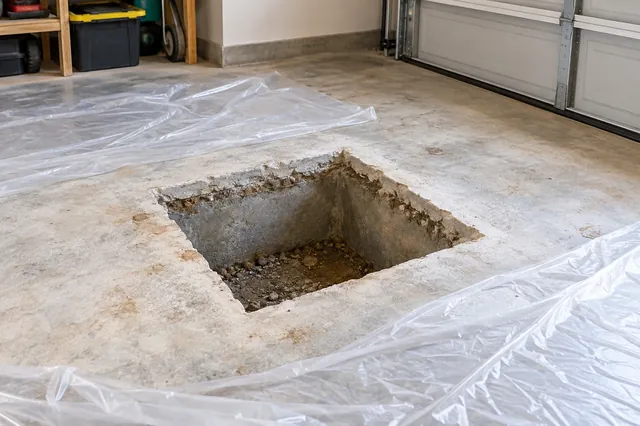
Interior Support
Piers under the middle of the slab through a tunnel or a careful break-out when the engineer calls for it.
Ask about interior piers →How Much Does Slab Foundation Repair Cost in Round Rock?
Slab repairs are priced by the pier, plus the engineering, permit and any interior or drainage work.
Published ranges from national cost guides and a Texas engineering firm. Your free on-site evaluation gives you a written price for your home. See the foundation repair cost guide.
Choosing the Right Slab Repair
The method should follow the evidence. These are the questions we and the engineer work through:
Is it settlement or heave?
Piers fix settlement: they hold up the part of the house that's dropping. They do nothing for a center that's heaving from swelling clay; then the plan focuses on the water source first.
Partial or full perimeter?
A partial repair supports only the section that's moving. It costs less, but the Texas ASCE guidelines note that skipping parts of the full remedial plan can increase the risk of movement elsewhere.
Concrete or steel?
Pressed concrete piers are the workhorse in Central Texas and suit many clay sites. Steel push piers cost more per pier but can be driven deeper where clay or fill continues a long way down, or where a two-story home needs more capacity. Read our comparison of pressed concrete vs. steel piers.
How much lift?
Stabilize first, lift second. The engineer sets how far the house can safely come up.
Our Slab Repair Process
What happens from the evaluation to the engineer's final report.
Evaluation and elevation map
We survey floor elevations, map cracks and check drainage, then give you a written quote.
Engineer's sealed plan
The engineer of record visits, confirms the cause and seals a plan showing pier type and locations.
City permit and Texas811
We file the Round Rock foundation repair permit and call Texas811 at least two working days before digging.
Piers, lift and inspection
We excavate, install the piers, lift in stages while watching the house, and schedule the city inspection.
Plumbing check, backfill, report
Plumbing is tested after the lift, holes are backfilled and compacted, and the engineer's final report goes to the city and to you.
Protecting Your Slab After the Repair
Piers hold the repaired section, but the clay around the rest of the house keeps reacting to water:
- Keep moisture even. In a long dry spell, run a soaker hose about a foot or two from the slab on your allowed watering days.
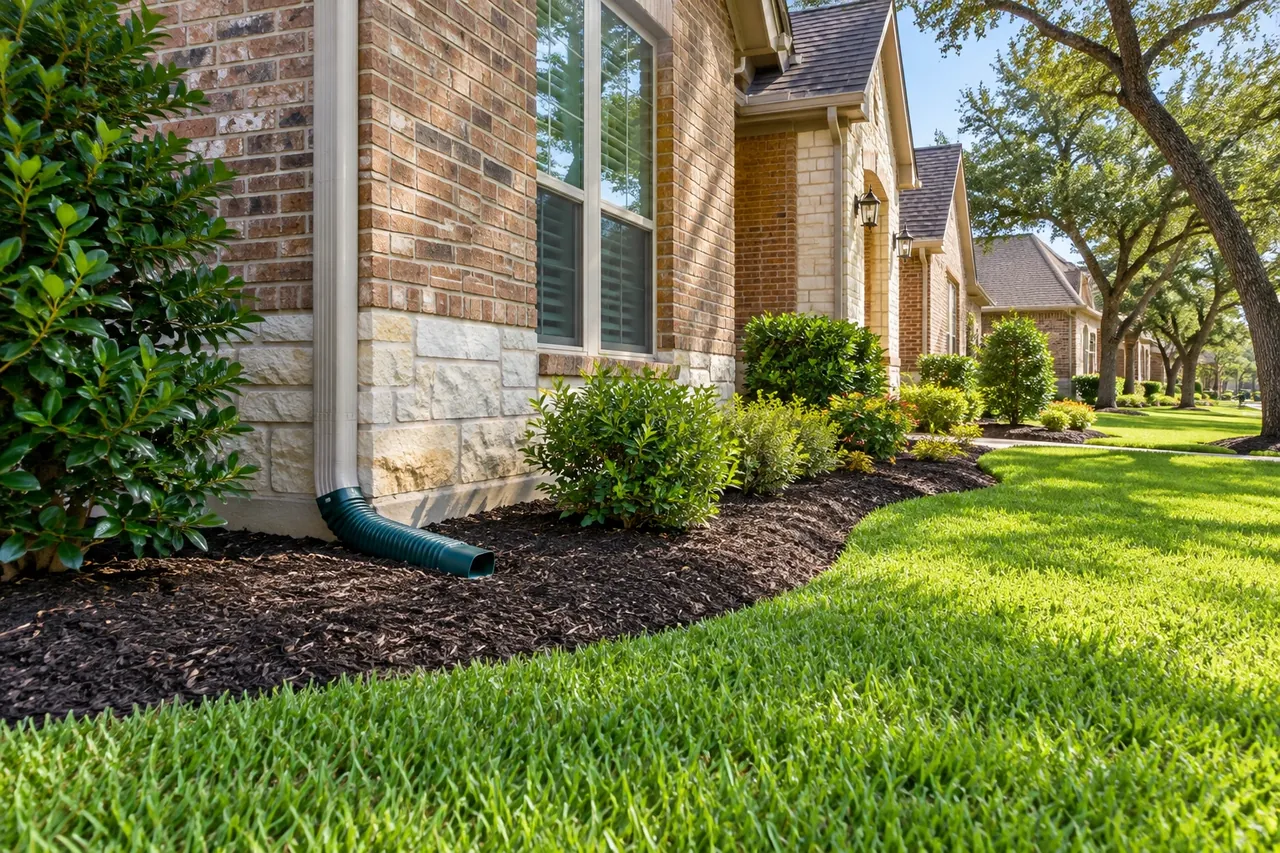
- Move the water away. Gutters should empty into extensions or drains that carry water well past the foundation, and the ground should fall away from the house. Our drainage correction service fixes yards that slope the wrong way.
- Keep your paperwork. The engineer's sealed plan, the permit record and the final report are what a buyer's inspector will ask for when you sell.
A Clean Finish
Slab repair means digging along the house, and we treat your yard like it matters:
- Plants and beds protected. Shrubs are dug and set aside where possible, and soil goes on tarps, not your lawn.
- Compacted backfill. Every access hole is backfilled in layers so it doesn't sink in the next rain.
- Haul-away. Extra soil and debris leave with us.
- A walk-through of doors, windows and any cosmetic cracks.
Need cracks sealed after the lift? See crack repair.
Frequently Asked Questions
How do I know if my slab needs repair?
Several signs together are the tell: diagonal cracks off door corners, doors that stop latching, cracked floor tile, brick separating from window frames, and floors you can feel slope. A floor elevation survey at our free evaluation confirms it.
How many piers will my house need?
It depends on how much of the slab is moving. A dropped corner might take a handful of piers; a side or full perimeter takes many more. One Texas engineering firm estimates full-house pier counts at roughly one pier per 40 square feet of footprint.
Can you repair a post-tensioned slab?
Yes. Some Round Rock homes have post-tensioned slabs with steel cables in the concrete. The engineer plans pier locations and any interior work around those cables.
Will you need to come inside my house?
Only if the engineer calls for interior piers, or to take floor elevation readings. Most slab repairs are done from outside along the perimeter.
What if my slab is heaving rather than settling?
Then piers usually aren't the answer. We look for the water source, such as a plumbing leak or poor drainage, and fix that first. Piering a heaving slab's edges can make the problem worse.
Do I need a permit for slab repair in Round Rock?
Yes. The city requires a foundation repair permit with an engineer of record letter, a sealed plan and a final engineered report. We handle it. See the permit guide.
How long does a slab repair take?
Most pier jobs take a few days on site once the engineer's plan is sealed and the permit is issued. City review usually takes three to five business days.
Slab Foundation Repair Across Round Rock
Get Your Free Slab Foundation Evaluation
Call now or request your free on-site foundation evaluation. No cost, no obligation.
- Free on-site evaluations
- City permit & engineer paperwork handled
- Pressed concrete & steel piers
- Cleanup & haul-away