

House Leveling & Shimming in Round Rock, TX
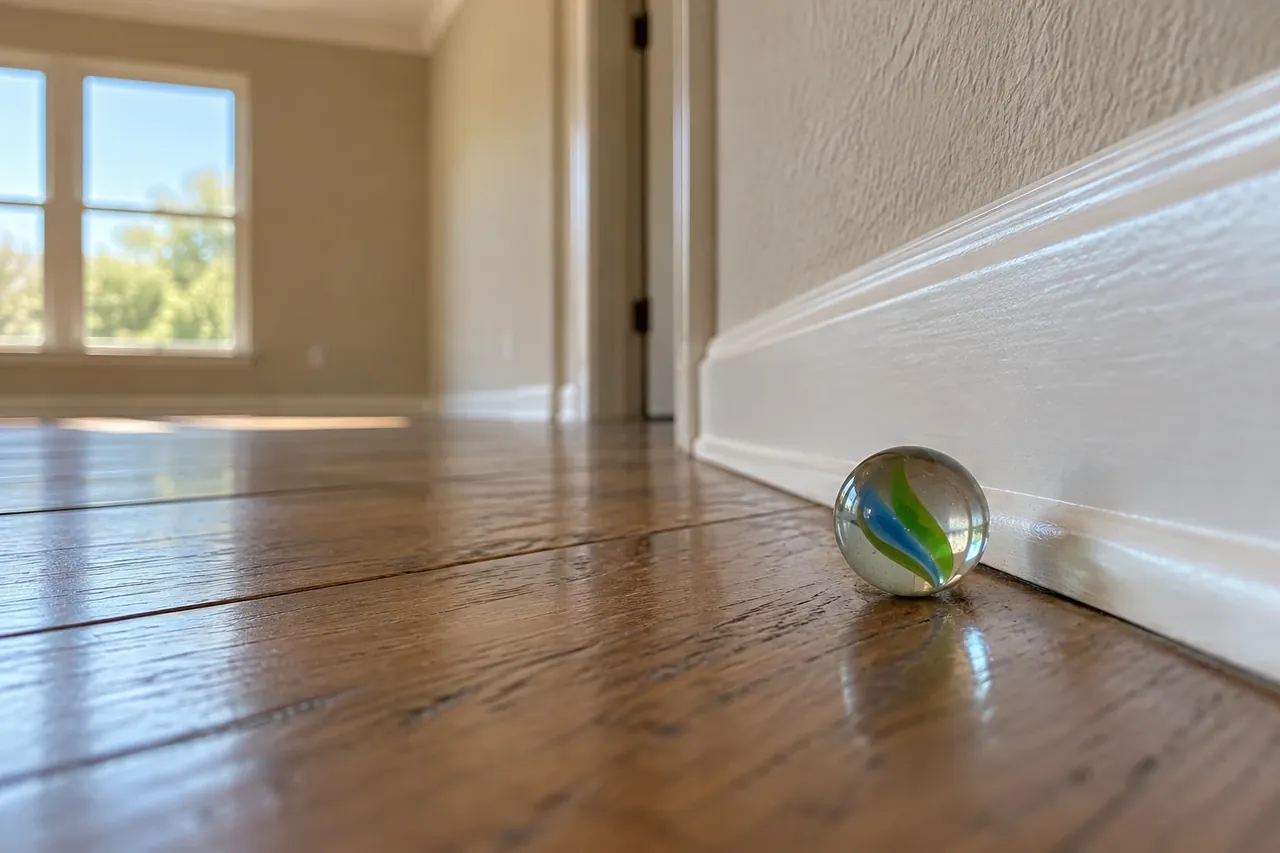
Floors that slope toward one corner, a marble that rolls across the kitchen, doors that swing open on their own: leveling brings the house back as close to level as it safely allows. We level pier-and-beam homes from the crawl space and slab homes on piers, in careful stages.
- Free on-site foundation evaluations
- City permit and engineer paperwork handled
- Slab, pier & beam and drainage repair
- Free on-site evaluations
- City permit & engineer paperwork handled
- Pressed concrete & steel piers
- Cleanup & haul-away
What House Leveling Means
Leveling is the part of a foundation repair where the house actually comes back up. How it's done depends on the foundation:
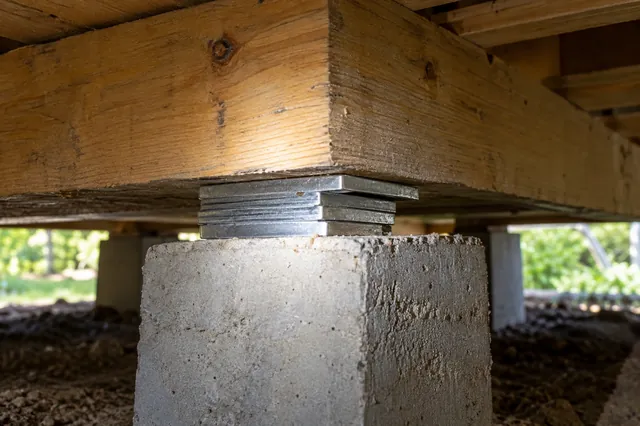
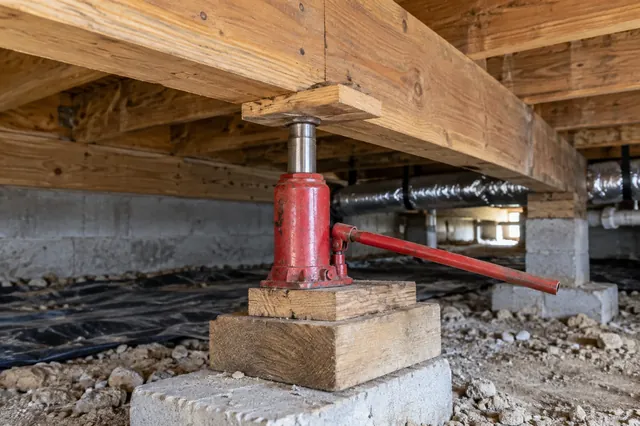
- Pier and beam: we jack the beams from the crawl space and set them on steel shims or new supports. It's often the most affordable way to fix a sloping floor.
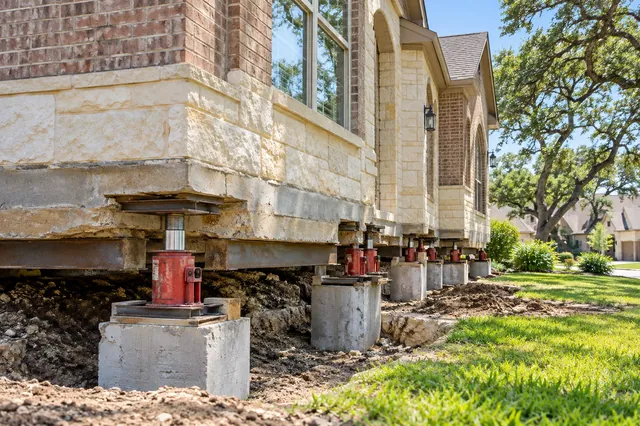
- Slab: leveling happens on piers. Once pressed concrete or steel piers are installed under the dropped section, the slab is lifted off them and shimmed.
Either way, leveling should follow a diagnosis. Raising a floor without fixing why it dropped is a temporary fix.
Leveling Options
What the work looks like depends on how your house is built.
How Much Does House Leveling Cost in Round Rock?
Leveling costs depend on the foundation type and how much support the house needs.
Published ranges from national cost guides and a Texas engineering firm. Your free on-site evaluation gives you a written price for your home. See the foundation repair cost guide.
Choosing How Far to Level
Homeowners understandably want the floor dead flat. Here's why we, and the engineering guidelines, aim for something more realistic.
Perfect isn't the target
The Texas ASCE repair guidelines state that perfection isn't attainable by remedial measures and that underpinning is unlikely to produce a perfectly level foundation. Houses are built with some unevenness, and decades of settling have shaped every frame and finish in them.
Lift too far, crack something else
Forcing a house past where it wants to go can crack drywall, tile and brick, and stress plumbing. We lift in stages and stop where the readings and the house say to.
Fix the cause, then level
If the floor dropped because of rotten framing, a sinking pier or water under the house, those get fixed first. Otherwise the floor drops again.
What counts as noticeable
The guidelines note that a tilt over about 1 percent is usually noticeable. That gives a useful sense of when leveling is worth doing for comfort and function.
Our Leveling Process
Measured before, during and after.
Map the floors
An elevation survey shows exactly where the house is low and by how much.
Find the cause
Crawl-space inspection or slab evaluation tells us why it dropped.
Repair supports
Framing, piers or shims are repaired or replaced as needed.
Lift in stages
We raise the house a little at a time, checking readings, doors and finishes.
Lock and verify
Steel shims lock the height, and a final survey shows where the floors ended up.
After Leveling: What to Expect
- Doors and windows often work better right away. Some may need a small adjustment once the house settles onto its new supports.
- Old cracks may close, open or change. Cosmetic patching is best done a few weeks after leveling.
- Plumbing should be tested after a lift, as the Texas ASCE guidelines recommend, especially in older homes with cast-iron drains.
- A final survey gives you before-and-after numbers for your records.
Keep moisture around the house steady afterward with good drainage and careful watering in drought.
Leveling for Remodels and Sales
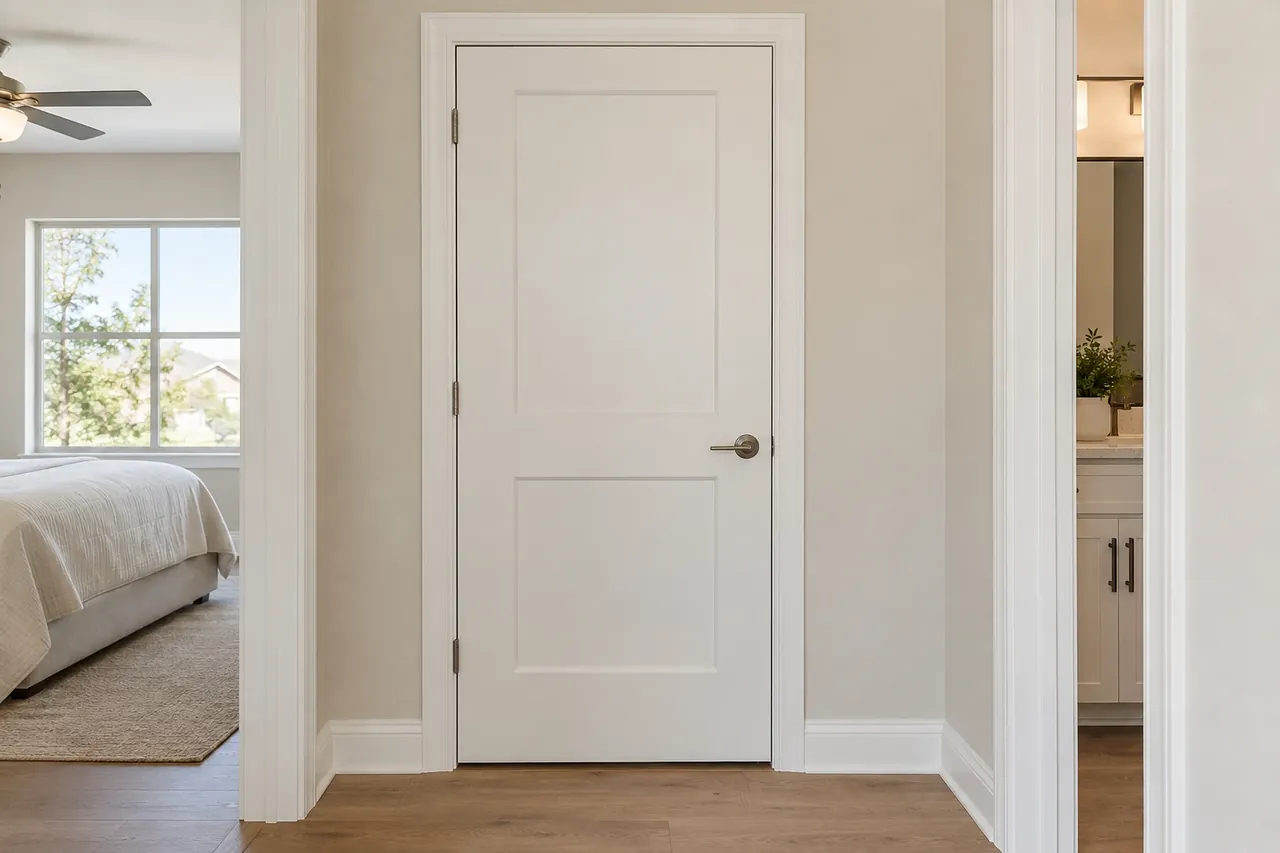
Planning new flooring, cabinets or tile? Level the house first. Tile laid over a moving floor cracks, and new cabinets set on a slope never look right. We also level homes ahead of a sale, with the engineer's paperwork the city requires, so buyers see a documented repair instead of a question mark.
Not sure whether you need leveling or just a door adjustment? Our free evaluation will tell you.
Frequently Asked Questions
Can you make my house perfectly level?
No one honestly can. Texas engineering guidelines say perfection isn't attainable. We bring it as close as the house safely allows.
How much does house leveling cost?
Shim leveling on a pier-and-beam home typically runs about $1,000–$3,500 in published guides. Leveling a slab with underpinning is a larger job, often $10,000–$20,000.
Is leveling the same as foundation repair?
Leveling is the lift. Repair also includes fixing the supports and the cause. Good jobs include both.
Will leveling fix my doors?
Usually it helps a lot. Some doors may still need a small adjustment afterward.
How long does leveling take?
Crawl-space shimming often takes a day. Slab lifts happen after piers are installed, typically within a few days.
Should I level before installing new floors?
Yes. New tile or hardwood over a sloping or moving floor is likely to crack or gap.
Do I need a permit for leveling in Round Rock?
Leveling done as part of foundation repair falls under the city's foundation repair permit with an engineer's plan and final report. We handle it.
House Leveling Across Round Rock

Get Your Free House Leveling Evaluation
Call now or request your free on-site foundation evaluation. No cost, no obligation.
- Free on-site evaluations
- City permit & engineer paperwork handled
- Pressed concrete & steel piers
- Cleanup & haul-away